The aroma of freshly baked Easter bread fills your kitchen, enveloping you in a warm embrace of sweet citrus notes and buttery goodness. As the golden crust forms, it promises a tender, fluffy interior that will make every bite feel like a celebration.
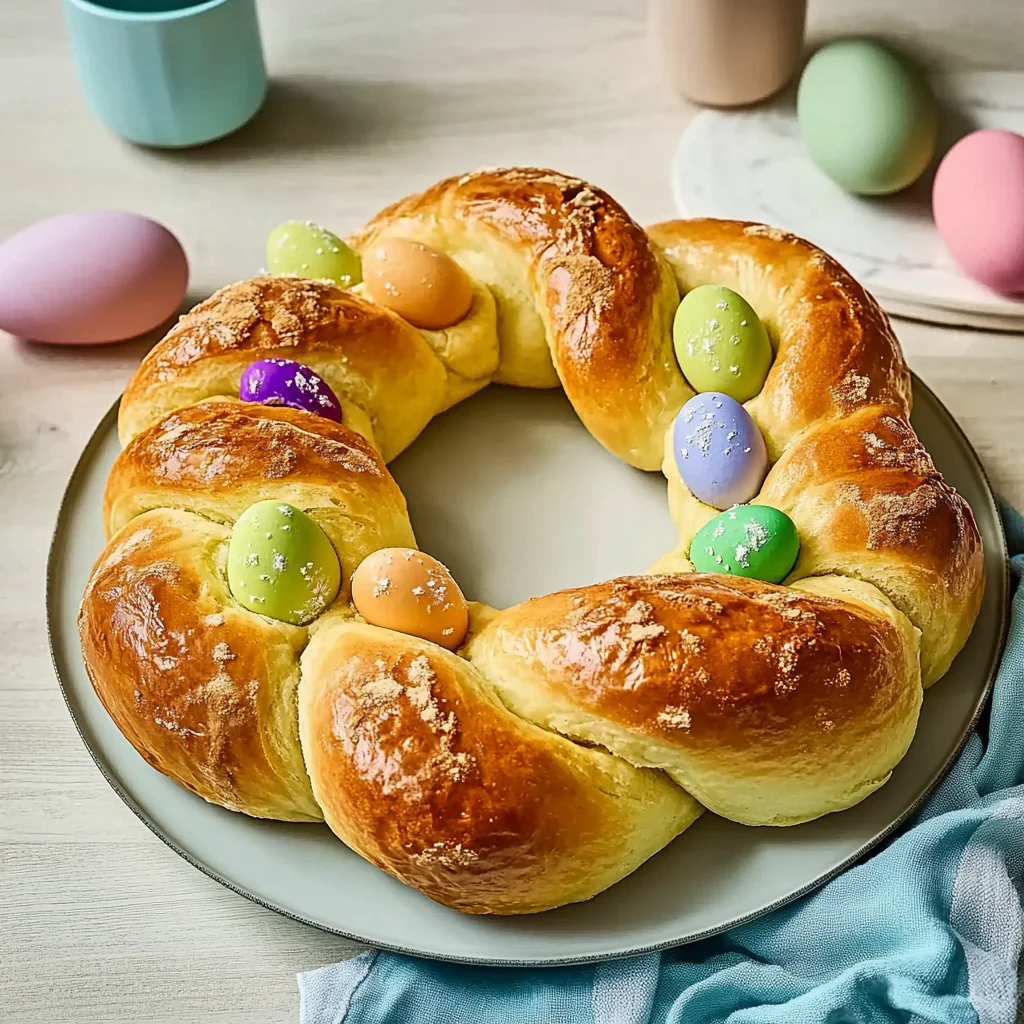
This Easter bread recipe is not only easy to follow but also brings joy to your family gatherings, creating lasting memories around the table. With its vibrant decoration of colored eggs and delightful glaze, you’ll find it rewarding to create this festive centerpiece for your holiday feast.
Quick Overview
Easter bread is a delightful, sweet, and fluffy bread featuring hints of citrus from orange and lemon zest. Perfect for celebrating Easter, this beautiful braided loaf is often adorned with colored eggs and finished with a glossy glaze. Serve it as a centerpiece for your holiday brunch or enjoy it as a tasty treat throughout the season. Now, let’s dive into the step-by-step recipe!
Why This Recipe Works
- This Easter bread recipe achieves a delightful balance of sweetness and citrus notes that elevate its flavor.
- The reliable technique of braiding not only enhances presentation but also creates a beautiful texture throughout the loaf.
- Each bite delivers a harmonious blend of richness from the butter and warmth from the spices, making it perfect for festive gatherings.
- This Easter bread is not just a treat; it embodies tradition and celebration in every slice.
As you prepare to bake this delightful bread, let’s explore some creative ways to decorate your Easter table.
Essential Ingredients
To create a delicious Easter bread that celebrates the season, gather these essential ingredients.
- All-purpose flour: Use sifted flour for a lighter dough texture; ensure it’s properly measured for best results.
- Whole milk: Warm the milk to about 110°F to activate the yeast effectively, promoting a good rise.
- Granulated sugar: Divided into two parts; one helps activate the yeast while the other enhances the dough’s sweetness.
- Unsalted butter: Melt and cool before adding to prevent cooking the eggs in your mixture.
- Large eggs: Use room temperature eggs to ensure even mixing and better incorporation into the dough.
- Active dry yeast: Fresh yeast is crucial for a good rise; check expiry dates for best performance.
- Salt: Essential for flavor balance, but avoid direct contact with yeast until mixed into the dough.
- Vanilla extract: Opt for pure vanilla extract for the best flavor profile in your bread.
- Orange zest: Freshly grated zest adds a bright citrus note that complements the sweetness of the bread.
- Lemon zest: Like orange zest, freshly grated lemon enhances flavor complexity with its refreshing notes.
- Colored eggs: These serve as beautiful decorations; choose food-safe dyes for best results and presentation.
The full ingredients list, including measurements, is provided in the recipe card directly below.
How to Make easter bread
Step 1: Activate the Yeast:In a small bowl, combine warm milk and 1 tablespoon of sugar. Sprinkle yeast over the top and let it sit for 5-10 minutes until foamy and fragrant.
Step 2: Mix the Dry Ingredients:In a large bowl, whisk together sifted flour, remaining sugar, salt, and zests. The mixture should feel light and aromatic, with a refreshing citrus scent.
Step 3: Combine Ingredients:Add melted butter, eggs, vanilla extract, and the foamy yeast mixture to the dry ingredients. Mix until a sticky dough forms; it should be slightly tacky to the touch.
Step 4: Knead the Dough:Knead the dough on medium speed for 8-10 minutes until smooth and elastic. Alternatively, knead by hand on a floured surface—feel for a soft, pliable texture.
Step 5: First Rise:Shape the kneaded dough into a ball and place it in a greased bowl. Cover with a towel and let rise in a warm spot for about 1 hour until doubled in size.
Step 6: Prepare for Baking:Punch down the risen dough and braid it with three equal pieces. Place it on a parchment-lined sheet, gently pressing colored eggs into the braid before letting it rise again for 30 minutes.
Now that your dough is beautifully braided and ready to bake, let’s move on to the next steps of creating this delightful Easter treat!
Common Mistakes to Avoid
- One common mistake when making easter bread is not allowing the yeast to fully activate, which can result in a dense loaf.
- Another issue is skipping the kneading step; under-kneaded dough can lead to a bread that lacks structure and chewiness.
- Additionally, neglecting the second rise after shaping the bread can cause it to bake unevenly and become heavy.
Now that you’re aware of these common mistakes, let’s explore how to perfect your easter bread baking technique!
Pro Tips for Best Results
1. Ensure your milk is warm, around 110°F, to activate the yeast effectively without killing it.
2. When kneading, don’t rush; a smooth and elastic dough is key for a light, fluffy easter bread.
3. Allow the bread to rise in a warm environment; this will enhance flavor and texture significantly.
With these tips in mind, you’re well on your way to creating the perfect easter bread that will impress everyone at your holiday gathering!
Make It Your Way
- Feel free to customize your Easter bread by experimenting with different flavorings such as almond or cardamom instead of vanilla.
- You can also swap out the whole milk for almond or oat milk to cater to dietary preferences.
- For a twist, consider adding dried fruit like cranberries or raisins into the dough for added texture and sweetness.
- Let your creativity shine while keeping the essence of this festive bread alive!
What to Serve With It
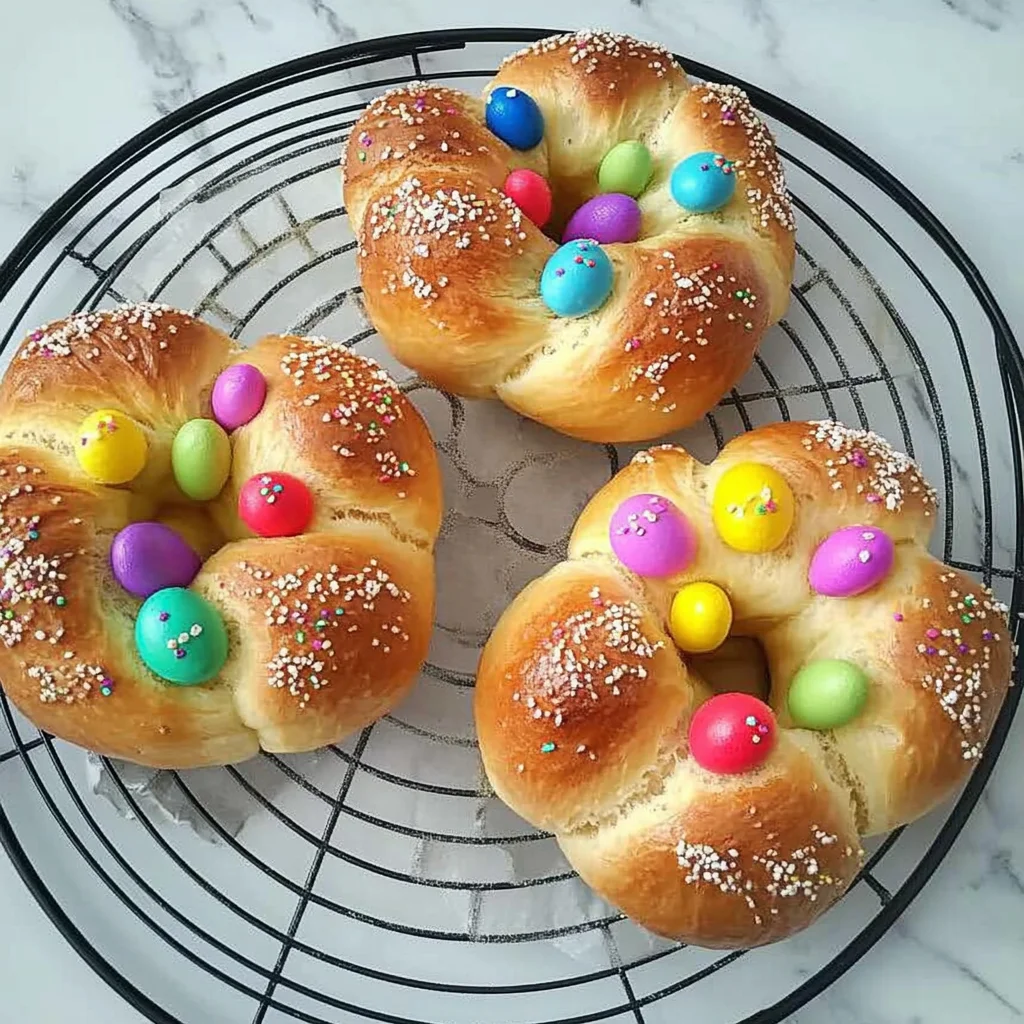
Easter bread pairs beautifully with a light spring salad, fresh fruit, or a creamy cheese platter. For drinks, consider serving it alongside herbal tea, coffee, or a refreshing mimosa to complement the festive flavors. These simple pairings enhance the joyous spirit of your Easter celebration. Now that your Easter bread is ready to shine, let’s explore some delightful decoration ideas!
Make-Ahead & Meal Prep
Easter bread can be prepared ahead by making the dough a day in advance and refrigerating it after the first rise. Just let it come to room temperature before shaping. For best results, avoid over-kneading, which can toughen the bread. Enjoy fresher flavors with this time-saving tip!
Now that you have a plan for preparation, let’s explore some delightful variations to enhance your Easter bread experience.
Storing & Reheating
To preserve the delightful texture and flavor of your Easter bread, store it in an airtight container at room temperature for up to 3 days. For longer storage, wrap it tightly and freeze for up to 3 months. To reheat, simply warm slices in the oven at 350°F (175°C) for about 5-10 minutes.
Now that you have the perfect Easter bread recipe, let’s explore some delightful serving suggestions!
Troubleshooting & Fixes
If your Easter bread doesn’t rise, ensure you’re using fresh yeast and that the milk is warm (not hot) when activated. For a dense texture, avoid over-kneading; aim for a smooth and elastic dough. If the glaze is too thick, gradually add more milk until it reaches your desired consistency for drizzling.
These tips will help you achieve a perfect Easter bread that delights the whole family! Now let’s explore some delicious serving ideas to complement this festive treat.
FAQ
What is Easter bread and how is it different from regular bread?
Easter bread is a sweet, enriched dough often braided and decorated with colored eggs, symbolizing spring.
Can I use different flavors in my Easter bread recipe?
Absolutely! Experimenting with different zests or extracts can personalize your Easter bread to your taste.
How should I store leftover Easter bread?
Store leftover Easter bread at room temperature in an airtight container to maintain its freshness for several days.
This delightful Easter bread recipe not only brings tradition to your table but also offers endless customization options.
Traditional Easter Bread
Ingredients
- 4 cups all-purpose flour sifted
- 1 cup whole milk warm (about 110°F)
- 1/2 cup granulated sugar divided
- 1/2 cup unsalted butter melted and cooled
- 3 large eggs room temperature
- 2 teaspoons active dry yeast or instant yeast
- 1 teaspoon salt
- 1 teaspoon vanilla extract
- 1 teaspoon orange zest freshly grated
- 1 teaspoon lemon zest freshly grated
- 4 large colored eggs for decoration
- 1 cup powdered sugar sifted
- 2 tablespoons milk adjust for consistency
- 1 teaspoon vanilla extract
Method
- In a small bowl, combine the warm milk and 1 tablespoon of sugar. Sprinkle the yeast over the top and let it sit for about 5-10 minutes until foamy. This step activates the yeast, ensuring your bread rises properly.
- In a large mixing bowl or stand mixer, combine the flour, remaining sugar, salt, orange zest, and lemon zest. Mix well to evenly distribute the dry ingredients.
- Add the melted butter, eggs, vanilla extract, and the activated yeast mixture to the dry ingredients. Mix on low speed until the dough starts to come together.
- Knead the dough for about 8-10 minutes on medium speed, or until it is smooth and elastic. If kneading by hand, turn the dough onto a floured surface and knead for the same amount of time.
- Shape the dough into a ball and place it in a greased bowl. Cover with a kitchen towel and let it rise in a warm place for about 1 hour, or until doubled in size.
- Once the dough has risen, punch it down to release the air. Divide the dough into three equal pieces.
- Roll each piece into a long rope, about 12-14 inches long. Braid the three ropes together, pinching the ends to seal.
- Place the braided dough onto a parchment-lined baking sheet. Gently press the colored eggs into the braid, spacing them evenly.
- Cover the bread with a towel and let it rise again for about 30 minutes, until puffy.
- Preheat the oven to 350°F (175°C).
- Bake the bread for 25-30 minutes, or until golden brown and sounds hollow when tapped on the bottom. An internal temperature of 190°F (88°C) indicates it’s done.
- Remove from the oven and let it cool on a cooling rack.
- In a small bowl, whisk together the powdered sugar, milk, and vanilla extract until smooth. Adjust the milk to achieve your desired glaze consistency.
- Once the bread has cooled, drizzle the glaze over the top for added sweetness and shine.