Fried chicken is a comforting dish that fills the kitchen with a savory aroma. The crispy coating gives way to tender, juicy meat that warms the soul.
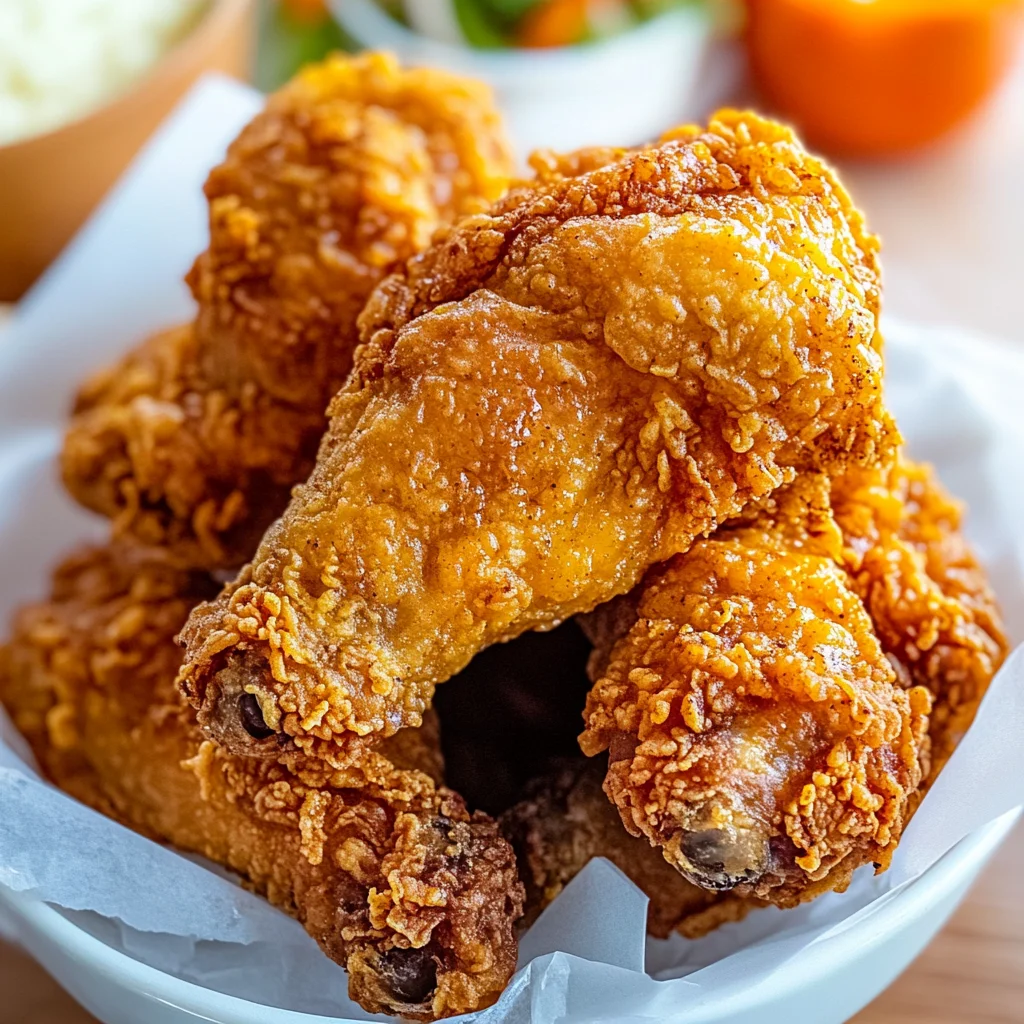
You can definitely make this recipe at home, even if you’re new to frying. It’s flexible and forgiving, so don’t worry if it doesn’t turn out perfect on your first try.
Why This Recipe Works
This fried chicken recipe is effective because the buttermilk marinade tenderizes the chicken while infusing it with flavor. The careful balance of spices in the coating adds depth, and frying at the right temperature ensures a crispy exterior without overcooking the meat. Together, these elements create a deliciously satisfying dish. Now that you understand why this recipe excels, let’s dive into each step for perfecting your fried chicken.
The One Thing That Makes It Work
- The key to perfect fried chicken lies in the buttermilk marinade, which tenderizes the meat and infuses it with flavor.
- Allowing the chicken to soak for at least 2 hours or overnight ensures a moist and flavorful result.
- This step is essential for achieving that classic fried chicken taste.
With this foundational element in place, let’s move on to preparing the coating for that crispy exterior.
Essential Ingredients
To create the perfect fried chicken, having the right ingredients is essential for flavor and texture.
- 4 pieces chicken thighs: Choose bone-in, skin-on for maximum flavor and juiciness; these cuts fry beautifully.
- 1 cup buttermilk: The key to tenderizing the chicken; consider using homemade buttermilk for a fresher taste.
- 1 tablespoon hot sauce: Optional but recommended for a subtle kick; adjust based on your heat preference.
- 1 teaspoon salt: Enhances flavor; feel free to adjust to your taste during marination.
- 1 teaspoon black pepper: Freshly ground provides the best flavor; don’t skip this seasoning element.
- 1 cup all-purpose flour: Essential for creating that crispy coating; sift it for an extra light texture.
- 1 teaspoon paprika: Adds vibrant color and a mild flavor that complements the chicken perfectly.
- 1 teaspoon garlic powder: Infuses a rich depth of flavor into the coating; choose fresh if preferred.
- 1 teaspoon onion powder: Balances flavors in the coating; opt for granulated for a smoother finish.
- 1/2 teaspoon cayenne pepper: Adjust according to your heat tolerance; it adds warmth without overpowering spice.
- 4 cups vegetable oil: Necessary for frying; ensure you have enough to properly submerge the chicken.
The full ingredients list, including measurements, is provided in the recipe card directly below.
Do This, Not That
- For the chicken marinade, use bone-in, skin-on thighs for maximum flavor; opting for boneless or skinless pieces may lead to a less satisfying result.
- When mixing your coating, fresh ground black pepper enhances the taste significantly compared to pre-ground varieties, which can dull the flavor profile.
- Lastly, ensure your oil is heated to 350°F (175°C) before frying; frying at a lower temperature can result in greasy chicken instead of crispy perfection.
Now that we’ve covered some essential tips for perfecting your fried chicken, let’s delve into the marinating process that makes all the difference.
Step-by-Step Method
Start by marinating the chicken. In a large bowl, mix the buttermilk, hot sauce, salt, and black pepper until everything is well blended. The mixture should be smooth and creamy, with a hint of spice from the hot sauce. Add the chicken thighs to this marinade, ensuring they are fully submerged. Cover the bowl and place it in the refrigerator for at least 2 hours or overnight if you can. This step makes the chicken tender and flavorful.
Next, prepare the coating for your fried chicken. In another bowl, combine the all-purpose flour, paprika, garlic powder, onion powder, cayenne pepper, salt, and black pepper. Mix everything together thoroughly so the spices are evenly distributed throughout the flour. The flour should take on a light reddish hue from the paprika and have an inviting fragrance from the garlic and onion powders.
When you’re ready to fry, take the marinated chicken out of the fridge. Let any excess buttermilk drip off before dredging each piece in your prepared flour mixture. Make sure to press lightly on each piece while coating it to ensure that a good layer of flour sticks. Shake off any extra flour so that it doesn’t clump during frying.
Now it’s time to heat your oil. In a large frying pan or deep fryer, pour in enough vegetable oil to submerge the chicken pieces. Heat it over medium-high until it reaches 350°F (175°C). You’ll know it’s ready when you see tiny bubbles forming around a wooden spoon placed in the oil. The scent will also become slightly nutty as it heats up.
Carefully add your coated chicken pieces to the hot oil without overcrowding them; this helps maintain a constant temperature for frying. Cook each piece for about 12-15 minutes on one side until it turns golden brown before flipping it over with tongs for even browning. Keep an eye on your thermometer to ensure that it stays around 350°F throughout cooking.
Once fully cooked and golden brown with an internal temperature of 165°F (75°C), remove your fried chicken from the oil and let it drain on a wire rack set over a baking sheet. Allowing it to rest for about 5 minutes helps keep all those delicious juices inside before serving. Now you’re ready to enjoy your homemade fried chicken!
With these steps complete, let’s explore some delightful side dishes that pair perfectly with fried chicken.
Troubleshooting (If Something Goes Wrong)
If your fried chicken is not as crispy as you’d like, ensure the oil is hot enough at 350°F (175°C) before frying. If the coating falls off during frying, make sure to press the flour mixture onto the chicken thoroughly. Lastly, if the chicken isn’t cooking evenly, avoid overcrowding the pan and fry in batches. Mistakes happen, and these fixes can help you achieve delicious results. Next, let’s explore some delightful side dishes to pair with your fried chicken.
Variations You’ll Actually Want to Try
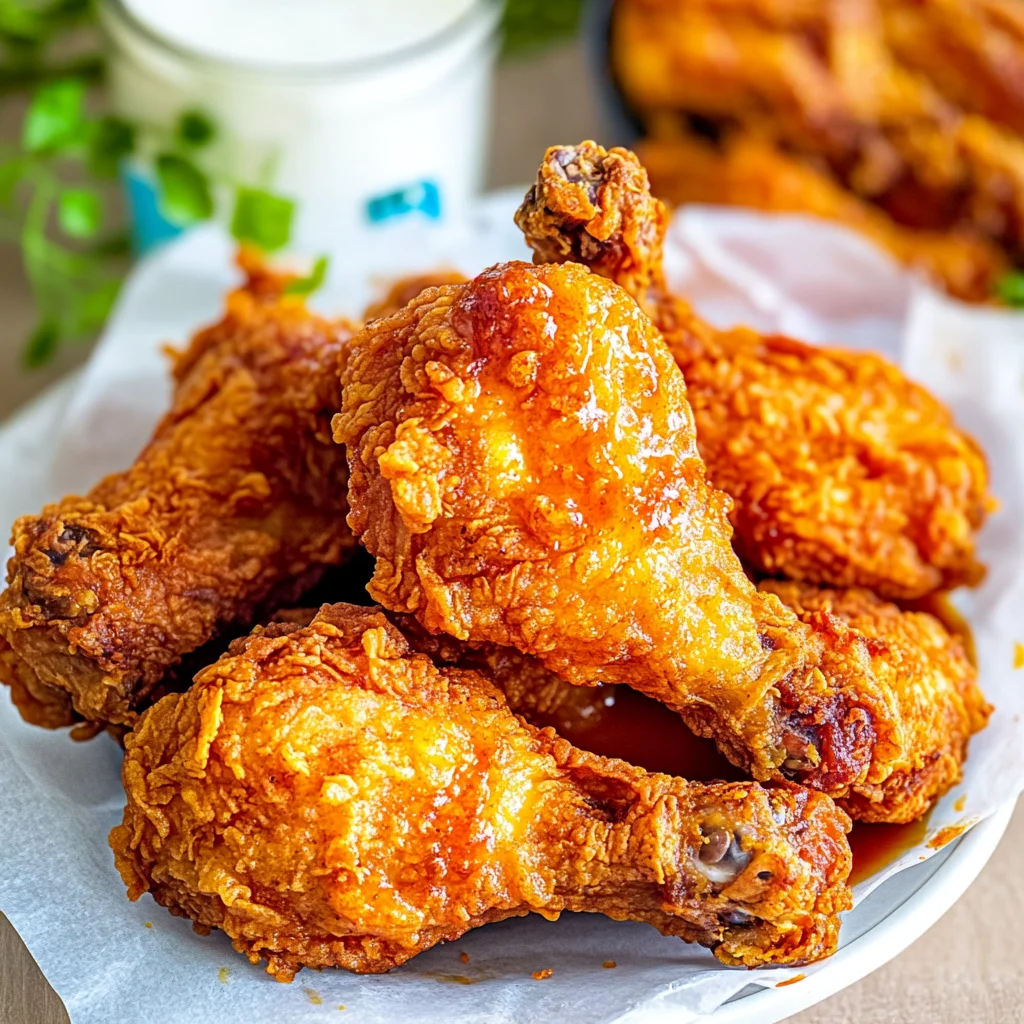
For a different flavor profile, consider adding a teaspoon of dried herbs like thyme or oregano to the coating mix. If you’re in the mood for a bit of sweetness, try incorporating a tablespoon of honey into the buttermilk marinade. Feel free to adjust the cayenne pepper for more or less heat based on your preference. These small tweaks can personalize your fried chicken experience! Now that you have some variations in mind, let’s explore the frying process in detail.
Pick Your Flavor Path
- For a spicy kick, add an extra dash of hot sauce to the buttermilk marinade for that zingy heat.
- If you prefer a fresh twist, toss in some chopped herbs like parsley or thyme to the flour mixture for a burst of brightness.
- For a smoky profile, consider using smoked paprika instead of regular paprika in the coating for a rich depth of flavor.
Now that you’re ready to explore these flavor paths, let’s move on to the essential steps for creating your classic fried chicken masterpiece.
FAQ
How long should I marinate the chicken for fried chicken?
Marinating the chicken for at least 2 hours is recommended, but overnight yields the best results.
Can I use a different type of oil for frying fried chicken?
Vegetable oil is ideal, but you can substitute with canola or peanut oil if preferred.
How do I reheat leftover fried chicken to maintain its crispiness?
Reheat in an oven at 375°F (190°C) for about 10-15 minutes to keep the coating crispy.
Now that you have your questions answered, let’s move on to some tips for perfecting your fried chicken technique.
Classic Fried Chicken
Ingredients
- 4 pieces chicken thighs bone-in, skin-on for best flavor
- 1 cup buttermilk for marinating the chicken
- 1 tablespoon hot sauce optional, for added flavor
- 1 teaspoon salt to taste
- 1 teaspoon black pepper freshly ground for best flavor
- 1 cup all-purpose flour for dredging
- 1 teaspoon paprika adds color and flavor
- 1 teaspoon garlic powder for seasoning
- 1 teaspoon onion powder for seasoning
- 1/2 teaspoon cayenne pepper for heat, adjust to taste
- 1 teaspoon salt to taste
- 1 teaspoon black pepper freshly ground for best flavor
- 4 cups vegetable oil for frying, enough to submerge the chicken
Method
- In a large bowl, combine the buttermilk, hot sauce, salt, and black pepper. Whisk until well combined.
- Add the chicken thighs to the buttermilk mixture, ensuring they are fully submerged. Cover and refrigerate for at least 2 hours, or overnight for best results. This tenderizes the chicken and infuses it with flavor.
- In a separate bowl, combine the flour, paprika, garlic powder, onion powder, cayenne pepper, salt, and black pepper. Mix well to ensure even distribution of spices.
- Remove the chicken from the marinade, allowing excess buttermilk to drip off. Dredge each piece in the flour mixture, pressing lightly to ensure an even coating. Shake off any excess flour.
- In a large frying pan or deep fryer, heat the vegetable oil over medium-high heat until it reaches 350°F (175°C). Use a cooking thermometer to check the temperature, as this is crucial for achieving crispy chicken.
- Carefully add the chicken pieces to the hot oil, being cautious not to overcrowd the pan. Fry in batches if necessary. Cook for about 12-15 minutes on each side, or until the internal temperature reaches 165°F (75°C) and the coating is golden brown.
- Use tongs to turn the chicken halfway through cooking for even browning. Adjust the heat as needed to maintain the oil temperature.
- Once cooked, remove the chicken from the oil and place it on a wire rack set over a baking sheet to drain excess oil. Let it rest for 5 minutes before serving. This helps the juices redistribute and keeps the chicken moist.
- Serve hot with your favorite sides, such as coleslaw or mashed potatoes.