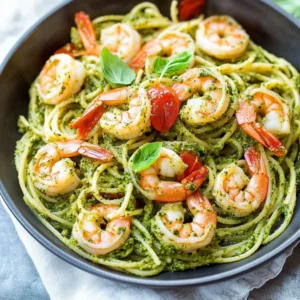
The aroma of fresh basil mingling with toasted pine nuts creates an irresistible invitation to indulge in a classic basil pesto recipe. Its vibrant green hue and silky texture promise a burst of flavor that elevates any dish, from pasta to sandwiches.
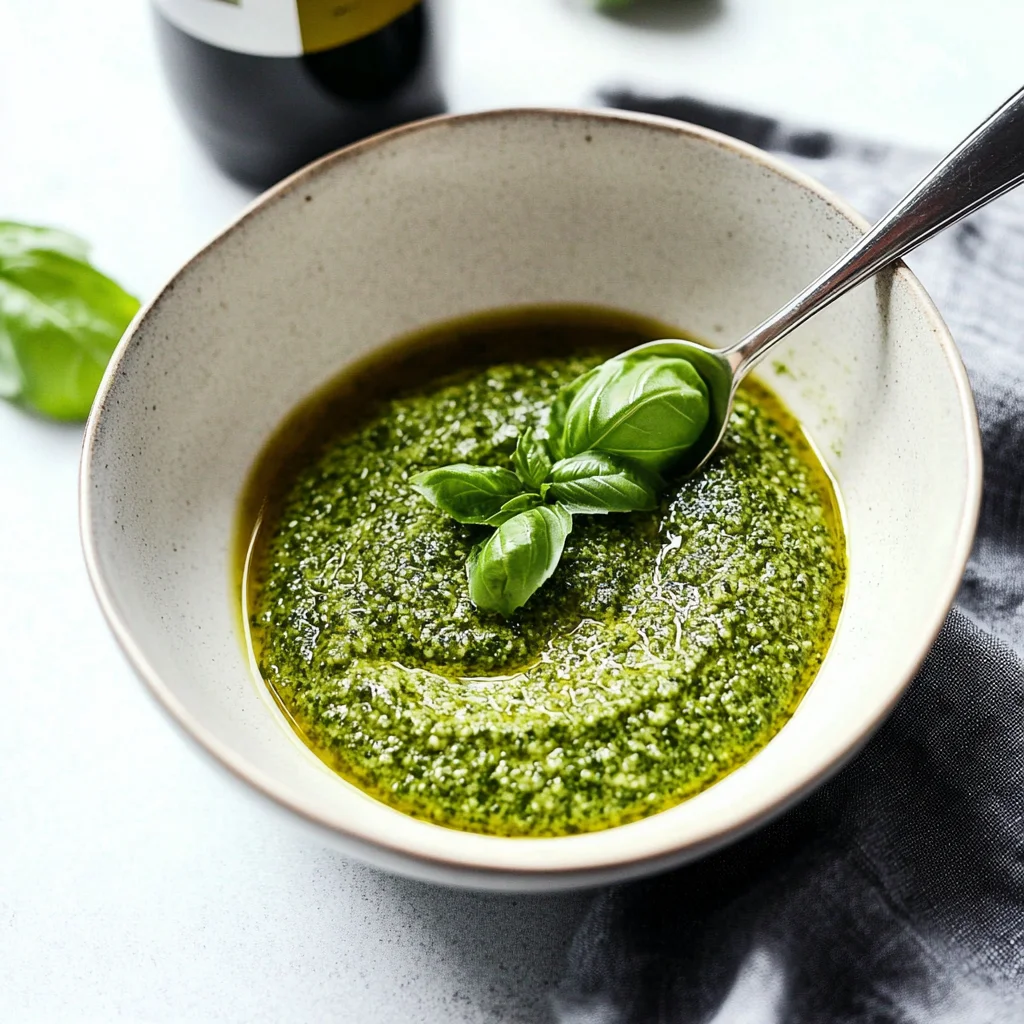
This easy-to-follow recipe requires just ten minutes of your time, transforming simple ingredients into a delightful sauce that will impress family and friends alike. Stay tuned to discover how to make this satisfying staple that brings a taste of Italy right to your kitchen!
Quick Overview
This classic basil pesto recipe delivers a vibrant and aromatic blend of fresh basil, toasted pine nuts, and Parmesan cheese. Its rich, nutty flavor makes it perfect for drizzling over pasta, spreading on sandwiches, or using as a dip. Enjoy this quick and versatile sauce any time you need a burst of flavor! Now, let’s dive into the ingredients you’ll need.
Why This Recipe Works
- This basil pesto recipe achieves a perfect balance of fresh flavors, thanks to the vibrant basil and aromatic garlic.
- The technique of toasting pine nuts enhances their nutty richness, creating a depth of flavor that’s irresistible.
- Each ingredient complements the others, resulting in a harmonious blend that elevates any dish.
- Reliable and quick to prepare, this recipe is a go-to for busy cooks seeking gourmet taste.
With the foundation laid, let’s dive into the detailed steps for crafting your own classic basil pesto.
Essential Ingredients
To create a delicious and authentic basil pesto, gather the following ingredients:
- 2 cups fresh basil leaves: Use packed leaves without stems for maximum flavor; ensure they are clean and dry.
- 1/2 cup pine nuts: Lightly toasting these nuts enhances their flavor and adds depth to your pesto.
- 2 cloves garlic: Fresh garlic cloves provide a robust aroma; peeling them is essential before blending.
- 1/2 cup Parmesan cheese: Freshly grated Parmesan offers the best taste and texture; avoid pre-grated options if possible.
- 1/2 cup extra virgin olive oil: Choose a high-quality oil for an abundant flavor that enriches the pesto.
- 1/4 teaspoon salt: Start with a pinch, as you can always adjust it later to suit your taste.
- 1/4 teaspoon black pepper: Freshly ground black pepper adds the perfect kick; adjust to your preference.
The full ingredients list, including measurements, is provided in the recipe card directly below.
How to Make basil pesto recipe
Step 1: Prepare the Ingredients:Gather all the ingredients and equipment, ensuring the fresh basil leaves are clean and dry. This prevents excess moisture that could affect your pesto’s texture.
Step 2: Toast the Pine Nuts:In a dry skillet over medium heat, lightly toast the pine nuts for about 3-5 minutes. Stir frequently until they turn golden brown and release a nutty aroma, enhancing their flavor.
Step 3: Blend the Base:In a food processor, combine the toasted pine nuts, garlic, and a pinch of salt. Pulse until finely chopped, creating a fragrant base that promises depth in your pesto.
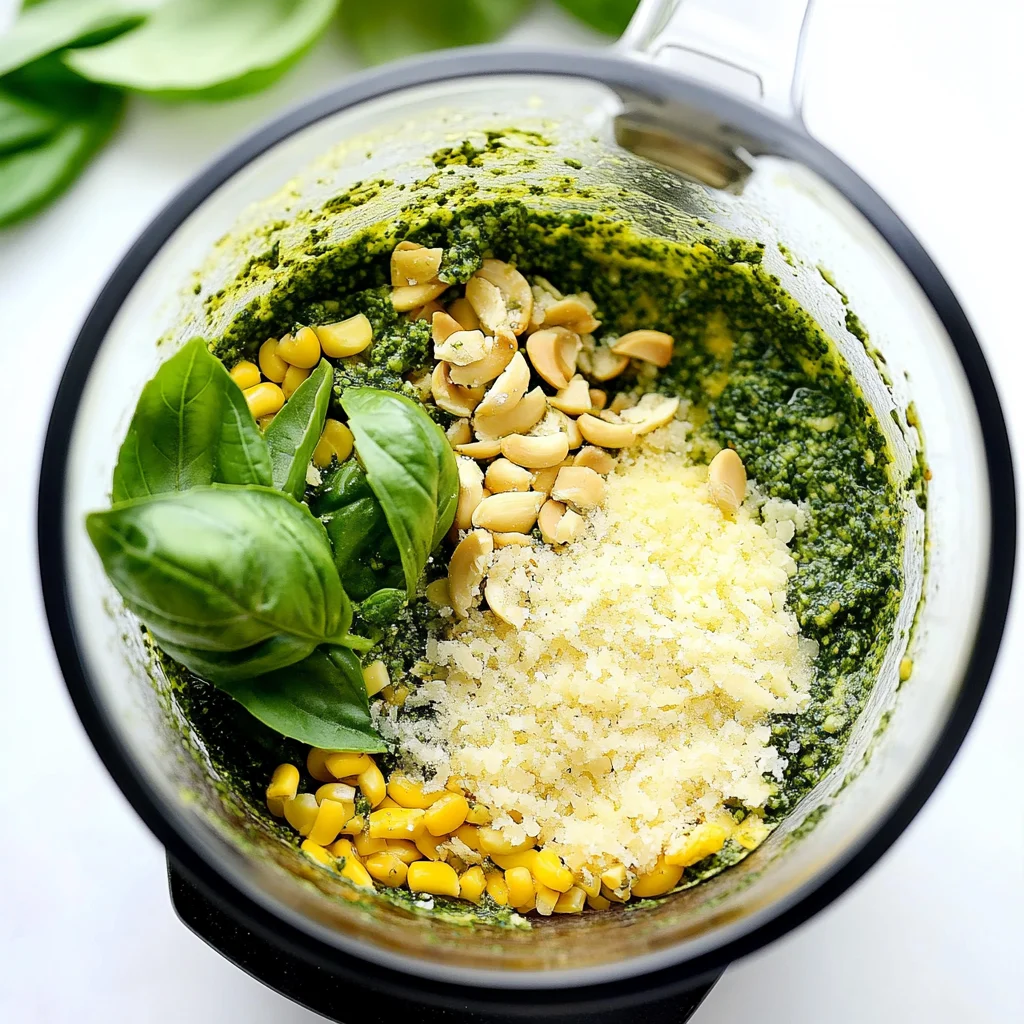
Step 4: Combine Ingredients:Add the basil leaves and freshly grated Parmesan cheese to the food processor. Pulse again until well combined but still textured, allowing vibrant green flecks to remain visible.
Step 5: Emulsify with Olive Oil:With the processor running, slowly drizzle in high-quality extra virgin olive oil. This creates a smooth emulsification while you enjoy the fresh herbaceous scent wafting through your kitchen.
Step 6: Adjust Seasoning:Taste your pesto and adjust with additional salt and freshly ground black pepper if needed. The flavors should be bright and balanced, ready to elevate any dish you choose.
Now that you’ve mastered this classic basil pesto recipe, let’s explore some delicious ways to use it!
Common Mistakes to Avoid
- One common mistake in a basil pesto recipe is using wet basil leaves, which can lead to a diluted flavor and undesirable texture.
- Another frequent error is skipping the toasting of pine nuts, as this simple step enhances their richness and depth in the final pesto.
- Additionally, over-processing the mixture can result in a paste-like consistency instead of the desired chunky, textured finish that makes basil pesto so appealing.
As you refine your technique, let’s explore how to serve this vibrant sauce effectively.
Pro Tips for Best Results
1. For maximum flavor, ensure your basil leaves are fresh and dry; excess moisture can dilute the pesto’s taste.
2. Toasting the pine nuts is crucial; keep an eye on them to avoid burning, as they can turn bitter quickly.
3. Use high-quality extra virgin olive oil for the best flavor; it makes a noticeable difference in your basil pesto recipe.
These tips will help elevate your homemade pesto, making it a standout addition to any dish. Now let’s explore some creative ways to use this delicious sauce!
Make It Your Way
- Feel free to customize this basil pesto recipe by swapping out the pine nuts for walnuts or almonds if you’re looking for a different flavor profile.
- For a dairy-free version, you can substitute the Parmesan cheese with nutritional yeast, which adds a cheesy essence without the dairy.
- If you want an extra kick, consider adding a squeeze of lemon juice or a pinch of red pepper flakes for some heat.
- Remember, pesto is all about personal taste, so get creative while keeping the core elements intact!
Now that you have some ideas for customization, let’s dive into how to prepare this delicious basil pesto step by step.
What to Serve With It
Basil pesto is incredibly versatile! Enjoy it tossed with pasta, spread on sandwiches, or drizzled over grilled vegetables. For a delightful pairing, serve it alongside crusty bread or as a dip with fresh veggies. A crisp white wine or sparkling water complements the flavors beautifully.
Now that you have the perfect basil pesto recipe, let’s explore how to store and preserve it for later use.
Make-Ahead & Meal Prep
This basil pesto recipe can easily be prepared ahead of time. Store it in an airtight container with a thin layer of olive oil on top to prevent oxidation. For best flavor, use it within a week, but freezing is ideal for longer storage. Avoid excess moisture for optimal freshness.
This makes it perfect for quick meals throughout the week!
Storing & Reheating
To store your basil pesto, transfer it to a clean container and drizzle a thin layer of olive oil on top to prevent oxidation. It can be refrigerated for up to one week or frozen for longer storage. When reheating, gently warm the pesto to preserve its texture and flavor before using.
Now that you know how to store this delightful basil pesto recipe, let’s explore some delicious serving suggestions!
Troubleshooting & Fixes
If your basil pesto turns out too thick, add a bit more extra virgin olive oil while blending to achieve your desired consistency. Should the flavor be overly garlicky, balance it by adding more basil and a touch of Parmesan cheese. For an overly salty pesto, mix in a few extra fresh basil leaves to dilute the saltiness.
Now that you’re prepared to tackle any issues, let’s explore the best ways to serve and enjoy your homemade basil pesto recipe!
FAQ
What is the key to a great basil pesto recipe?
The key is using high-quality ingredients, especially fresh basil and extra virgin olive oil.
How long can I store my basil pesto?
You can store your basil pesto in the refrigerator for up to one week or freeze it for longer.
Can I adjust the flavors in my basil pesto recipe?
Yes, feel free to tweak the salt and pepper to suit your taste preferences.
Now that you’ve mastered the basics, let’s explore some creative ways to use your delicious basil pesto!